Spatiotemporal Analysis of Wind and Solar Resource in the Yarlung Zangbo River Basin from 1979 to 2023
Online published: 2025-09-28
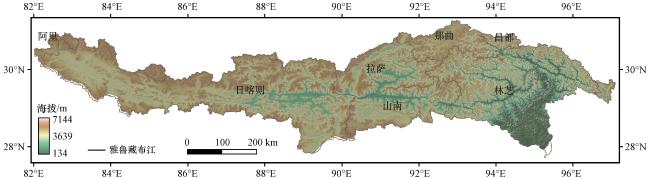
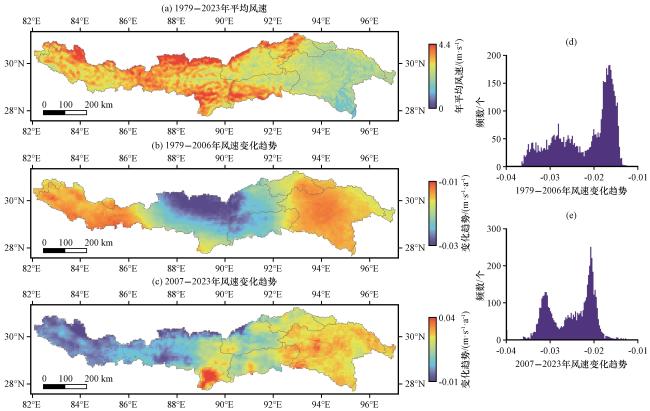
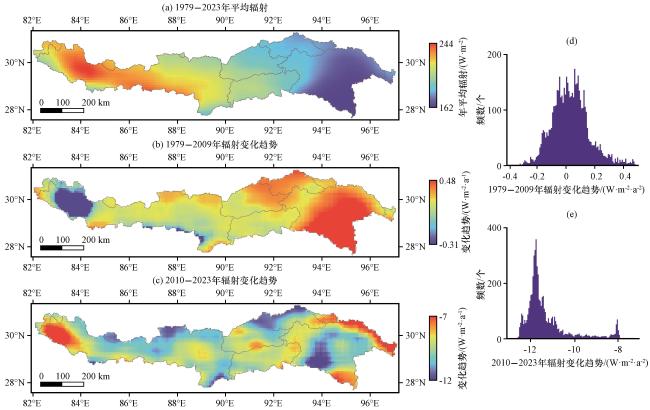
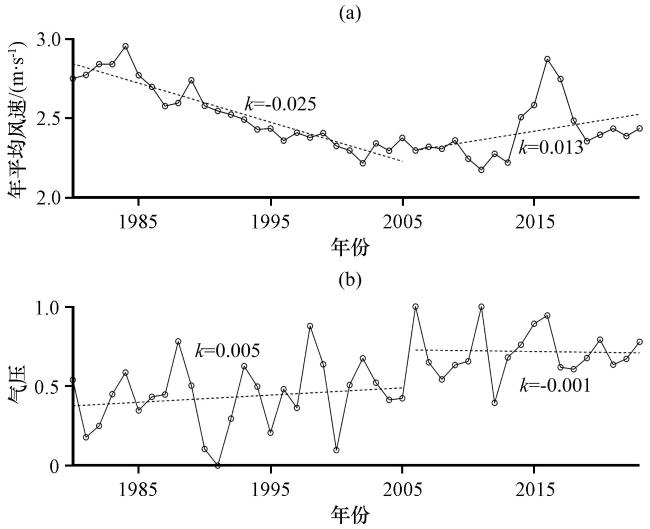
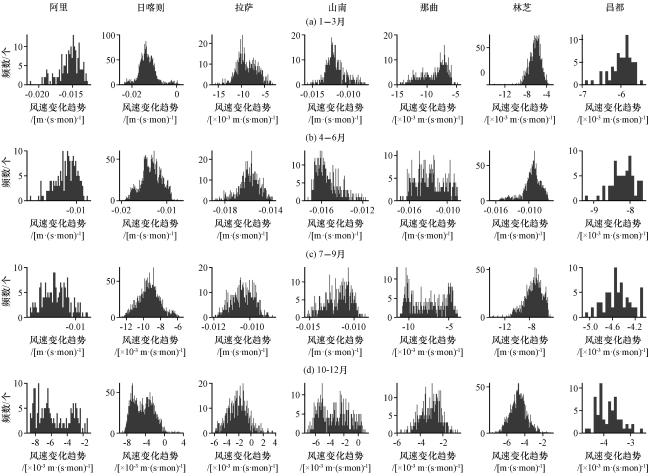
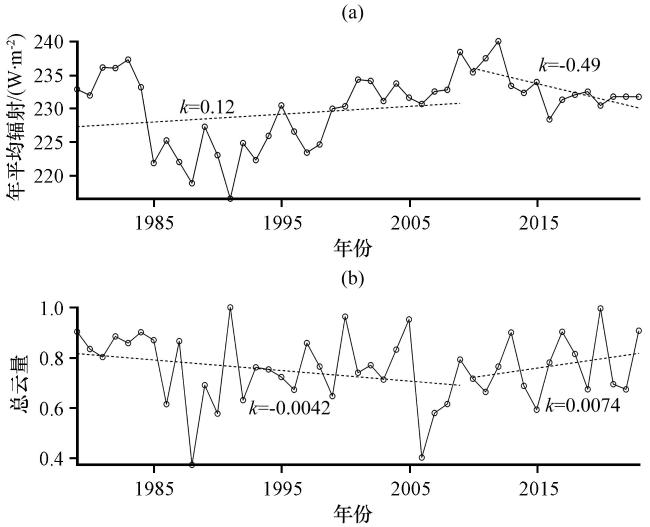
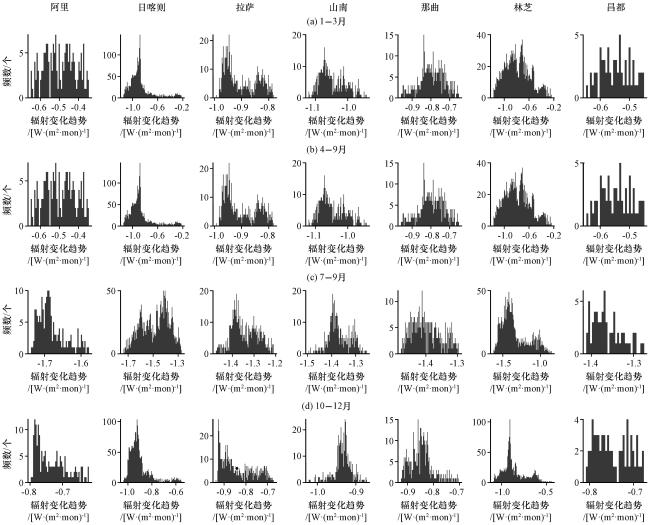
The large-scale development and utilization of wind and solar power are critical for achieving power system decarbonization and "Dual Carbon"(carbon peak and carbon neutrality)goals. While northern China boasts abundant wind-solar resources,the Yarlung Zangbo River Basin(YZRB)presents a uniquely advantageous setting for large-scale renewable energy base construction. Its exceptionally rich hydropower potential pro‐ vides a vital foundation of flexible generation capacity and a vast,natural storage medium through reservoir regulation,significantly enhancing the economic viability of integrating variable wind and solar power compared to regions reliant solely on complementary generation or artificial storage. However,the inherent variability,intermittency,and uncertainty of wind and solar power pose substantial challenges to the structural transformation of power systems,impacting grid stability and dispatch optimization. To accurately characterize the resource potential within this strategic basin,this study conducts a comprehensive spatiotemporal analysis of wind and solar re‐ sources across the YZRB. This study utilizes the high-resolution near-surface meteorological forcing dataset for the Third Pole region(TPMFD),offering long-term(1979-2023),high spatiotemporal resolution surface meteorological data essential for detailed assessment. Analysis reveals a distinct "higher in the west,lower in the east" spatial pattern for both wind speed and solar radiation intensity across the basin. Crucially,temporal trend analysis identifies a complex,two-phase evolution over the 45-year period(1979-2023),characterized by significant trend reversals. Wind speed exhibited a pronounced declining trend from 1979 to 2009,followed by a robust increasing trend from 2010 to 2023. Conversely,solar radiation showed a significant increasing trend be‐ tween 1979 and 2010,which reversed into a clear decreasing trend from 2011 to 2023. This non-stationarity in resource availability has profound implications for long-term energy project planning and performance modeling. Spatial analysis further identifies Lhasa City,Shannan City,and Shigatse City as possessing superior wind and solar resource endowments relative to other basin areas. These regions are thus highlighted as optimal core zones for deploying future integrated hydro-wind-solar(HWS)complementary system,where hydropower's inherent flexibility can effectively balance wind-solar variability,maximizing system efficiency,reliability,and eco‐ nomic returns. This study underscores the significant potential of the YZRB for large-scale,low-carbon energy systems based on HWS integration. Realizing this potential necessitates focused research addressing key uncertainties. Future work must prioritize:(1)Advanced projection and analysis of future wind-solar resource trends under evolving climate scenarios to inform resilient infrastructure planning;(2)Detailed assessment of the frequency,intensity,and duration of compound wind-solar extreme events(e. g. ,concurrent low-wind and low sunlight periods),which represent major risks to system security;and(3)Development and application of sophisticated integrated optimization models for the holistic configuration,scheduling,and dispatch of HWS resources across the basin and their integration with the wider grid. Addressing these research imperatives is essential for unlocking the YZRB's full potential to contribute significantly to China's energy transition and global decarbonization objectives.
FAN Zhiyong, WU Chuandong, YANG Dawen, TANG Lihua, ZHANG Yi, YANG Kun . Spatiotemporal Analysis of Wind and Solar Resource in the Yarlung Zangbo River Basin from 1979 to 2023 [J]. Plateau Meteorology, 0 : 1 . DOI: 10.7522/j.issn.1000-0534.2025.00079
/
| 〈 |
|
〉 |