1979-2023年雅鲁藏布江流域风光资源时空特征研究

展开
  • 1. 清华大学水利水电工程系,北京 100084
    2. 水圈科学与水利工程全国重点实验室,北京 100074
    3. 华能西藏雅鲁藏布江水电开发投资有限公司,西藏 拉萨 850000
    4. 清华大学地球系统科学系,北京 100084

网络出版日期: 2025-09-28

基金资助

水圈科学与水利工程全国重点实验室资助项目(sklhse-TD-2024-A01

Spatiotemporal Analysis of Wind and Solar Resource in the Yarlung Zangbo River Basin from 1979 to 2023 

Expand
  • 1. Department of Hydraulic EngineeringTsinghua UniversityBeijing 100084China
    2. State Key Laboratory of Hydroscience and EngineeringTsinghua UniversityBeijing100084China
    3. Huaneng Tibet Yarlung Zangbo River Hydropower Development and Investment Co. Ltd. Lhasa 850000China
    4. Department of Earth System ScienceTsinghua UniversityBeijing 100084China

Online published: 2025-09-28

摘要

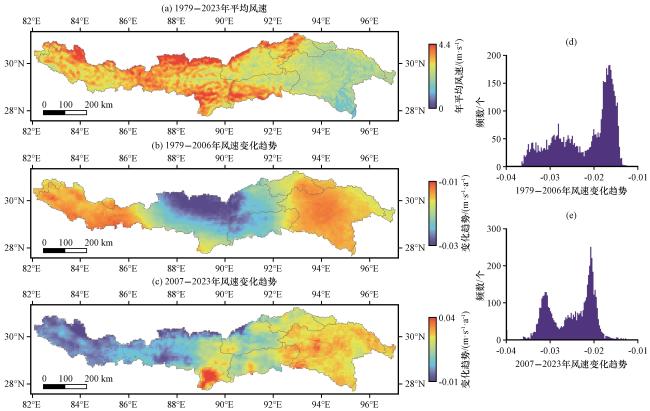
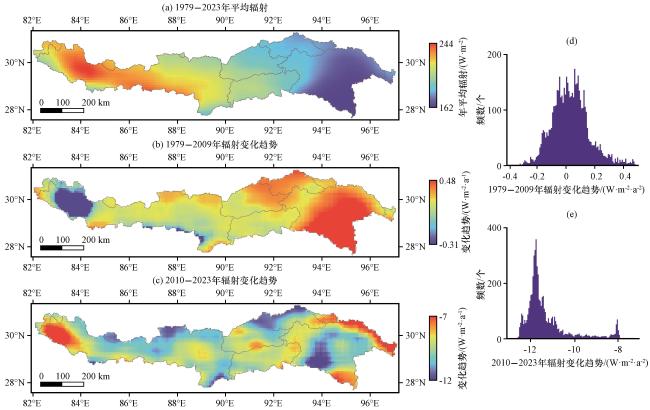
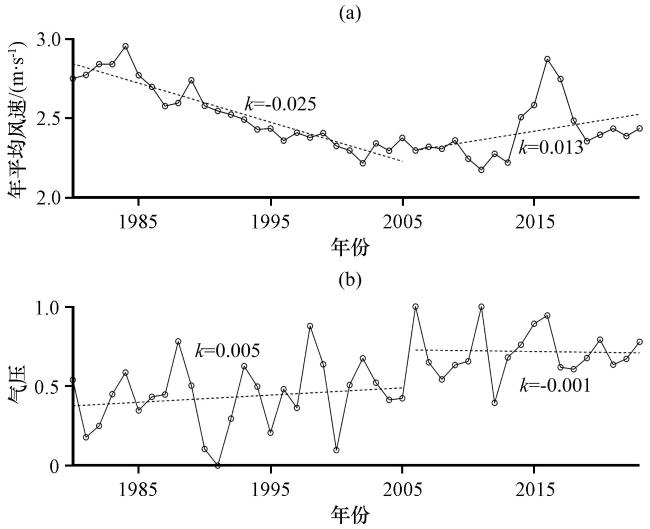
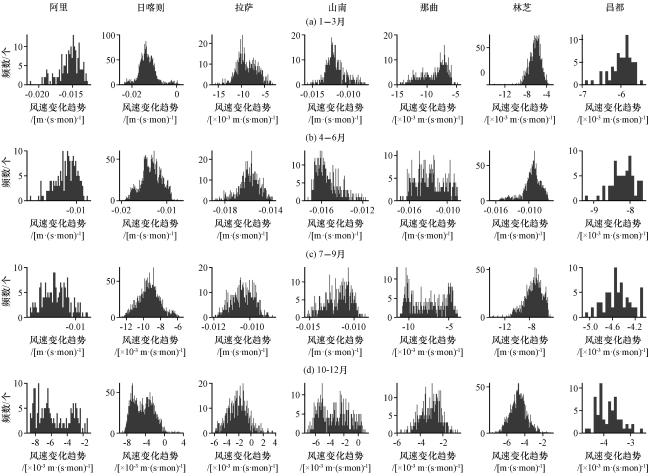
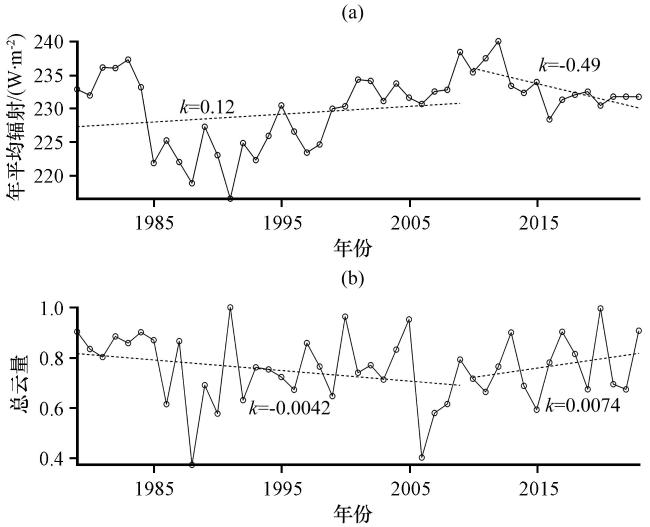
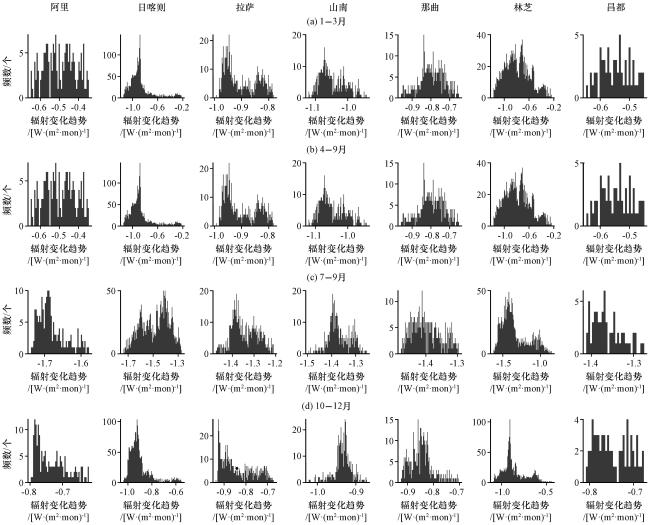
风光能源规模化开发利用是实现电力系统转型和双碳目标的重要支撑。相比于中国风光资源丰富的北方区域,雅鲁藏布江流域丰富的水能资源可以为风光能源消纳提供良好的灵活性电源基础和储能介质,其在新能源大基地建设中更具经济性优势。但风光资源波动性、间歇性和随机性特征为电力系统结构性转变带来了巨大挑战。因此,本研究基于具有高空间分辨率的 TPMFD数据集(第三极地区长时间序列高分辨率地面气象要素驱动数据集)开展了雅鲁藏布江流域风光资源时空特征分析。结果表明:流域内风光资源呈现西高东低的空间分布格局;流域内辐射和风速均表现出两阶段变化特征,但存在相反的变化趋势:1979-2009年风速呈下降趋势,2010-2023年风速呈上升趋势;1979-2010年辐射呈增加趋势,2011-2023年辐射呈下降趋势。流域内拉萨市、山南市和日喀则市风光资源禀赋优于其他区域,是未来水风光一体化项目建设的核心区域。未来研究应重视未来流域内风光资源变化趋势分析和风光复合极端事件发生频率和持续时间的耦合分析,以及水风光综合优化配置。

本文引用格式

范志勇, 吴川东, 杨大文, 唐莉华, 张 一, 阳 坤 . 1979-2023年雅鲁藏布江流域风光资源时空特征研究[J]. 高原气象, 0 : 1 . DOI: 10.7522/j.issn.1000-0534.2025.00079

Abstract

The large-scale development and utilization of wind and solar power are critical for achieving power system decarbonization and "Dual Carbon"carbon peak and carbon neutralitygoals. While northern China boasts abundant wind-solar resourcesthe Yarlung Zangbo River BasinYZRBpresents a uniquely advantageous setting for large-scale renewable energy base construction. Its exceptionally rich hydropower potential pro‐ vides a vital foundation of flexible generation capacity and a vastnatural storage medium through reservoir regulationsignificantly enhancing the economic viability of integrating variable wind and solar power compared to regions reliant solely on complementary generation or artificial storage. Howeverthe inherent variabilityintermittencyand uncertainty of wind and solar power pose substantial challenges to the structural transformation of power systemsimpacting grid stability and dispatch optimization. To accurately characterize the resource potential within this strategic basinthis study conducts a comprehensive spatiotemporal analysis of wind and solar re‐ sources across the YZRB. This study utilizes the high-resolution near-surface meteorological forcing dataset for the Third Pole regionTPMFD),offering long-term1979-2023),high spatiotemporal resolution surface meteorological data essential for detailed assessment. Analysis reveals a distinct "higher in the westlower in the east" spatial pattern for both wind speed and solar radiation intensity across the basin. Cruciallytemporal trend analysis identifies a complextwo-phase evolution over the 45-year period1979-2023),characterized by significant trend reversals. Wind speed exhibited a pronounced declining trend from 1979 to 2009followed by a robust increasing trend from 2010 to 2023. Converselysolar radiation showed a significant increasing trend be‐ tween 1979 and 2010which reversed into a clear decreasing trend from 2011 to 2023. This non-stationarity in resource availability has profound implications for long-term energy project planning and performance modeling. Spatial analysis further identifies Lhasa CityShannan Cityand Shigatse City as possessing superior wind and solar resource endowments relative to other basin areas. These regions are thus highlighted as optimal core zones for deploying future integrated hydro-wind-solarHWScomplementary systemwhere hydropower's inherent flexibility can effectively balance wind-solar variabilitymaximizing system efficiencyreliabilityand eco‐ nomic returns. This study underscores the significant potential of the YZRB for large-scalelow-carbon energy systems based on HWS integration. Realizing this potential necessitates focused research addressing key uncertainties. Future work must prioritize:(1Advanced projection and analysis of future wind-solar resource trends under evolving climate scenarios to inform resilient infrastructure planning;(2Detailed assessment of the frequencyintensityand duration of compound wind-solar extreme eventse. g. concurrent low-wind and low sunlight periods),which represent major risks to system securityand3Development and application of sophisticated integrated optimization models for the holistic configurationschedulingand dispatch of HWS resources across the basin and their integration with the wider grid. Addressing these research imperatives is essential for unlocking the YZRB's full potential to contribute significantly to China's energy transition and global decarbonization objectives.

文章导航

/